
Call us now :07971191762
 Send Inquiry
 Send Inquiry
Hump Magnetic Separators
Price 20000 INR/ Piece
MOQ : 1 Piece
Hump Magnetic Separators Specification
- Magnet Grade
- N35, N38 or Custom Grade
- Composite
- Magnetic Separators
- Material
- Stainless Steel (SS304 / SS316)
- Voltage
- 220V / 380V (Customizable)
- Power Supply
- Not Required for Manual Models
- Surface Finish
- Polished / Matt
- Power
- Manual Operation / No Electrical Power Required
- Frequency
- 50 Hz / 60 Hz
- Product Type
- Industrial Magnetic Separator
- Magnet Category
- High Intensity Ferrite or Rare Earth (Neodymium)
- Magnet Type
- Permanent Magnet
- Shape
- Hump (Angular) Construction
- Size Range
- 150 mm to 450 mm (Diameter)
- Color
- Industrial Grey / Custom coating
- Usage & Applications
- Bulk material handling, Food Processing, Plastic, Chemical, and Pharmaceutical Industries
- Capacity
- 20 TPH to 80 TPH (Varies by Model)
Hump Magnetic Separators Trade Information
- Minimum Order Quantity
- 1 Piece
- Supply Ability
- 10 Pieces Per Month
- Delivery Time
- 1 Week
About Hump Magnetic Separators
Owing to the expertise of our skilled professionals, we are able to manufacture, export and supply our clients high quality Hump Magnetic Separators. Offered machines are extensively demanded to remove ferrous contaminants iron nuts, bolts, wire etc. from the conveyed material. Proposed separators consist of two plate magnets, which are hinged and gasketed to the rugged steel housing and can be unlatched and swing open for quick manual cleaning. To meet the varied demands of our clients, we are offering these Hump Magnetic Separators in numerous shape, size, design and capacities at marginal prices.
Features:
- Robust construction
- Durable finish
- Noise free operations
- Optimal performance
Efficient Ferrous Removal Without Power
Hump Magnetic Separators employ high-intensity rare earth or ferrite magnets that require no electrical supply for operation. Their manual cleaning design involves removing the magnetic elements to dispose of trapped particles, making them both energy-efficient and easy to maintain. This non-powered mechanism is suitable for a wide array of industries where power access may be limited or where operational costs need to be minimized.
Versatile Installation and Custom Design
These separators are engineered to mount inline between gravity-fed pipelines or ducts, facilitating easy integration into existing processing lines. Multiple sizes (150 mm to 450 mm diameter) and customizable inlet/outlet connections (flanged or as required) support seamless installation, even in specialized applications. Hinged construction allows for fast inspection and cleaning, reducing downtime and ensuring operational continuity.
Safe and Compliant for Sensitive Industries
Made with polished or matt-finish stainless steel (SS304/SS316), all models meet GMP and FDA standards for food-grade applications. Their robust, hygienic construction ensures suitability for critical sectors such as food processing, pharmaceuticals, chemicals, and plastics. Customizations in material, coating, and magnet grade enable these devices to adapt to stringent industry demands, supporting both safety and high efficiency.
FAQs of Hump Magnetic Separators:
Q: How do Hump Magnetic Separators work to remove ferrous contaminants?
A: Hump Magnetic Separators employ high-intensity permanent magnets (ferrite or rare earth) positioned in an angular housing. As bulk material flows through the system, ferrous particles are attracted and captured by the magnets. These contaminants are then manually removed by extracting the magnetic element for cleaning.Q: What are the steps involved in cleaning and maintaining this separator?
A: To clean the separator, simply open the hinged access, remove the magnetic element, and discard the trapped ferrous particles. Manual cleaning is straightforward and does not require special tools or electrical power, ensuring minimal downtime.Q: When should I consider installing a Hump Magnetic Separator?
A: Install a Hump Magnetic Separator when handling bulk materials that are prone to contamination by ferrous particles, especially in gravity-flow pipelines or ducts. They are ideal for food, chemical, pharmaceutical, and plastic processing environments that require high purity and regulatory compliance.Q: Where can these separators be placed within a processing line?
A: These units are designed for inline installation at points where gravity feed pipelines or chutes transport bulk materials. They can be integrated at critical control points to intercept ferrous contaminants before they enter sensitive production stages.Q: What sizes and customization options are available for Hump Magnetic Separators?
A: Available in diameters ranging from 150 mm to 450 mm, these separators support multiple capacities (20 to 80 TPH). Custom options include inlet/outlet configuration, magnet grade (N35, N38, or higher), coating, surface finish, and construction material, accommodating specific process needs and space constraints.Q: Which industries commonly benefit from using these separators?
A: Industries such as food processing, pharmaceuticals, chemicals, plastics, and bulk material handling gain significant benefits. By preventing contamination and potential machinery damage, these separators help companies comply with safety standards and maintain product quality.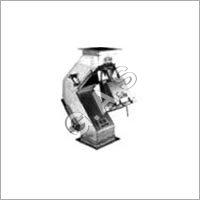
Tell us about your requirement

Price:
Quantity
Select Unit
- 50
- 100
- 200
- 250
- 500
- 1000+
Additional detail
Mobile number
Email

More Products in Magnetic Equipments Category
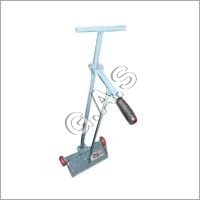
Magnetic Sweeper
Price 5000 INR
Minimum Order Quantity : 1 Piece
Composite : No
Material : Magnets Enclosed in Aluminum/Steel Housing
Shape : Other, Rectangular Bar
Color : Silver with Black Handle
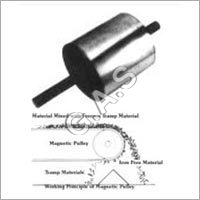
Magnetic Pulleys
Price 100000 INR
Minimum Order Quantity : 1 Piece
Composite : Magnet Assembly, Mild Steel Construction
Material : Mild Steel Shell, Magnet Core
Shape : Other, Cylindrical
Color : Blue/Black/Custom
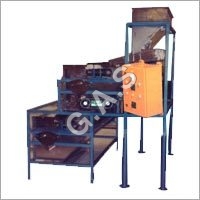
Magnetic Roll Separators
Price 300000 INR
Minimum Order Quantity : 1 Piece
Composite : Stainless Steel & Rare Earth Magnets
Material : Stainless Steel, Rare Earth Magnets
Shape : Other, Cylindrical Roll
Color : Blue/Silver
Overband Self Cleaning Suspended Magnets
Price 150000 INR
Minimum Order Quantity : 1 Piece
Composite : Magnetic Separator
Material : Mild Steel / Stainless Steel (Frame)
Shape : Other, Rectangular with suspended belt
Color : Blue / Customizable

 Send Inquiry
Our Products


6/183-A, Pozhichalur Main Road, Venkateshwara Nagar, Pozhichalur, Chennai - 600074, Tamil Nadu, India

Mr K
(Proprietor)
Mobile :07971191762
 Send Inquiry
 Send SMS
Developed and Managed by Infocom Network Private Limited.
